We identify each species correctly, follow its growth season after season and build, from our own records, a cultivation technology based on natural methods — working alongside academic partners.
Every medicinal plant we work with begins with a question: what exactly is it, where does it grow, how was it used, and what can we observe about it ourselves? Our base in Iacovile is a living laboratory: everything that grows there is part of a study.
What we do
- Correct identification. Each species is botanically verified before it enters our collection.
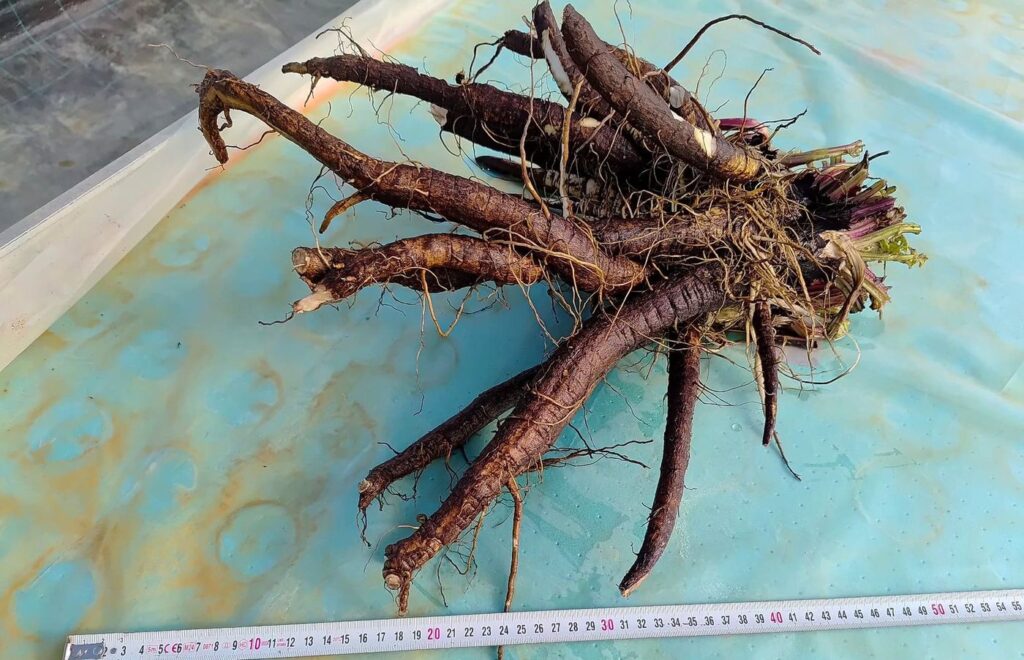
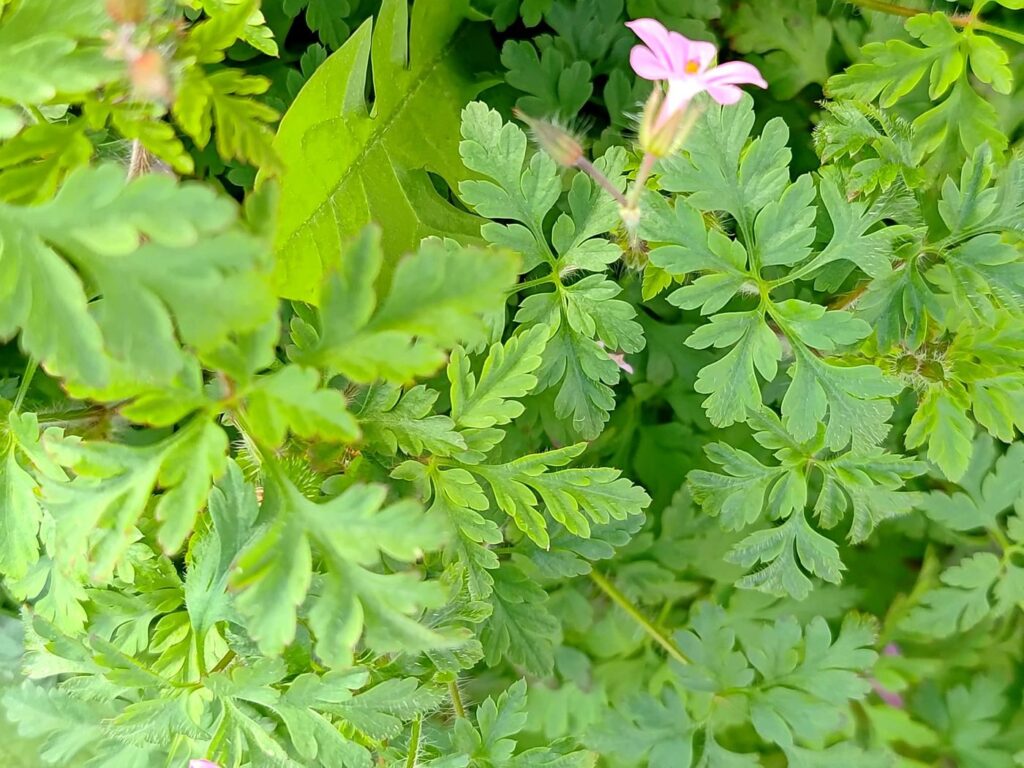
- Traditional knowledge. We record the local names and former uses of plants once found in every household, such as burdock, sweet flag, comfrey or herb Robert.
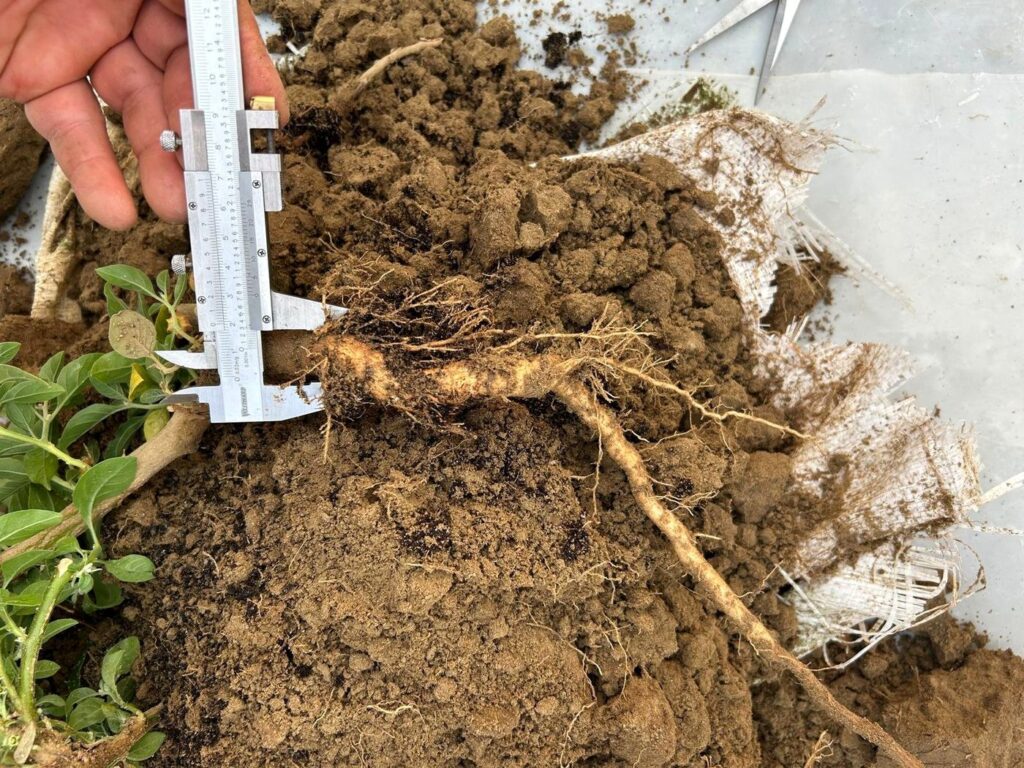
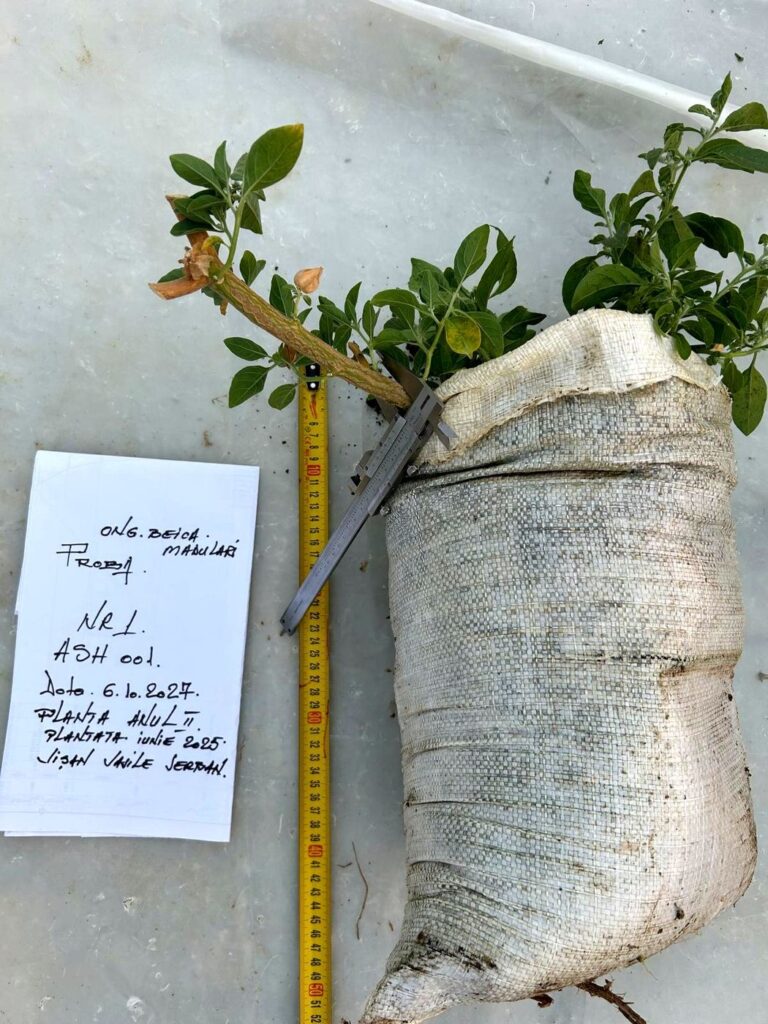
- Observation and records. We follow each species from germination and propagation to growth, flowering and overwintering, building our own data season after season.
- Comparison with published science. We set what we observe beside what has been published and share our results with academic partners.
How we work
- Natural methods only. No synthetic fertilisers or chemical treatments. Among other things, we test honey as a foliar stimulant and sheep’s wool at the roots of the plants.
- Living soil. We work with compost and soil life, on the principle that nothing is lost and everything is transformed.
- The plant together with its microbiome. For us the microbiome is not something added from outside but a part of the plant. One of our questions is whether a medicinal plant can reach its potential without stress factors.
- From harvest to storage. We follow each plant after harvest too: drying, storage and the quality of the plant material.
Medicinal plants in a man-made environment
Many medicinal plants now grow not in the wild but in places shaped by people: greenhouses, gardens, cultivated plots, village edges. We follow what happens to them there: how they adapt, how they help or hinder one another, and what this means for the quality of the plant. This is the thread that links our acclimatisation, our cultivation and our workshops with pupils.
Since January 2025 we have been building, species by species, a cultivation technology for medicinal plants in protected spaces and in open field — one that local growers will be able to take up free of charge.
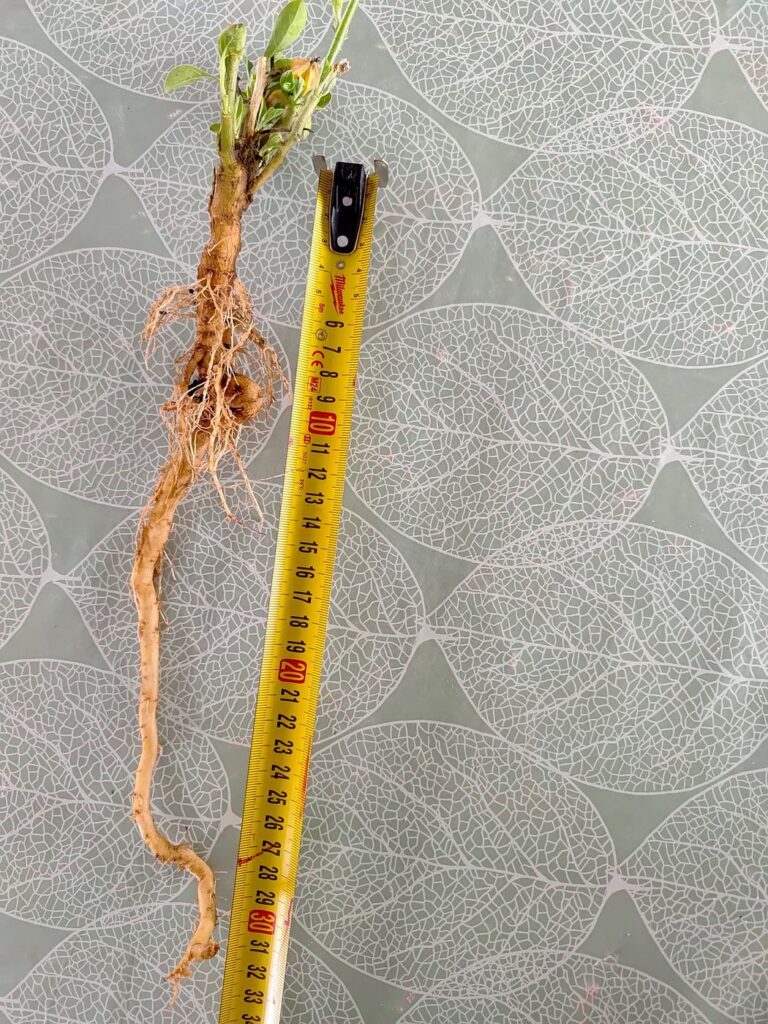
An example: damiana and Turnera ulmifolia are two different plants
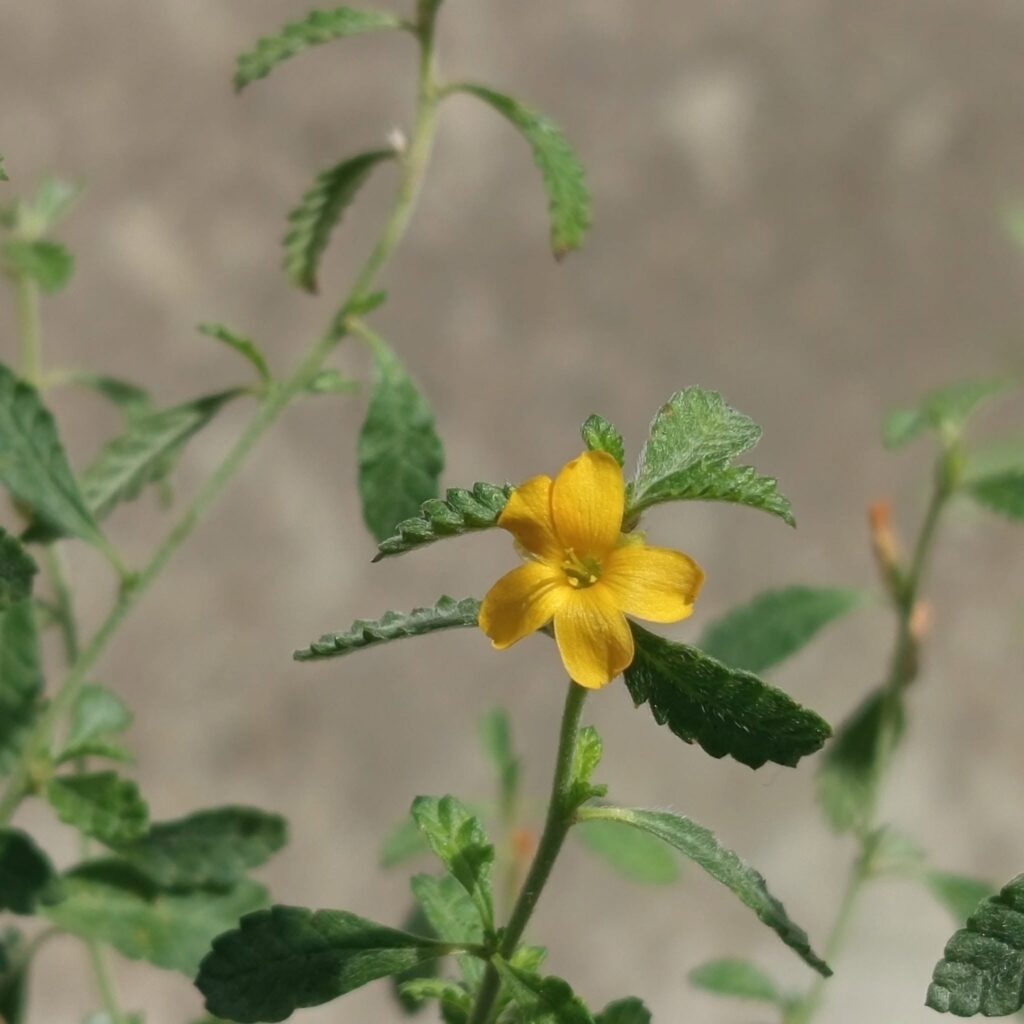
On the Romanian and European market, seeds and plants of two different species are often sold under the name “damiana”. Damiana is Turnera diffusa: small flowers and narrow, strongly aromatic leaves; it germinates poorly and is propagated mainly from cuttings. Turnera ulmifolia is a different species: large, bright yellow flowers and broad leaves; it germinates easily. This is why many of the seeds sold as “damiana” are in fact Turnera ulmifolia.
We grow both species under the same conditions, with our own 2025–2026 data on germination, propagation and development — not to say that one is good and the other bad, but to know exactly what we grow and what we pass on.
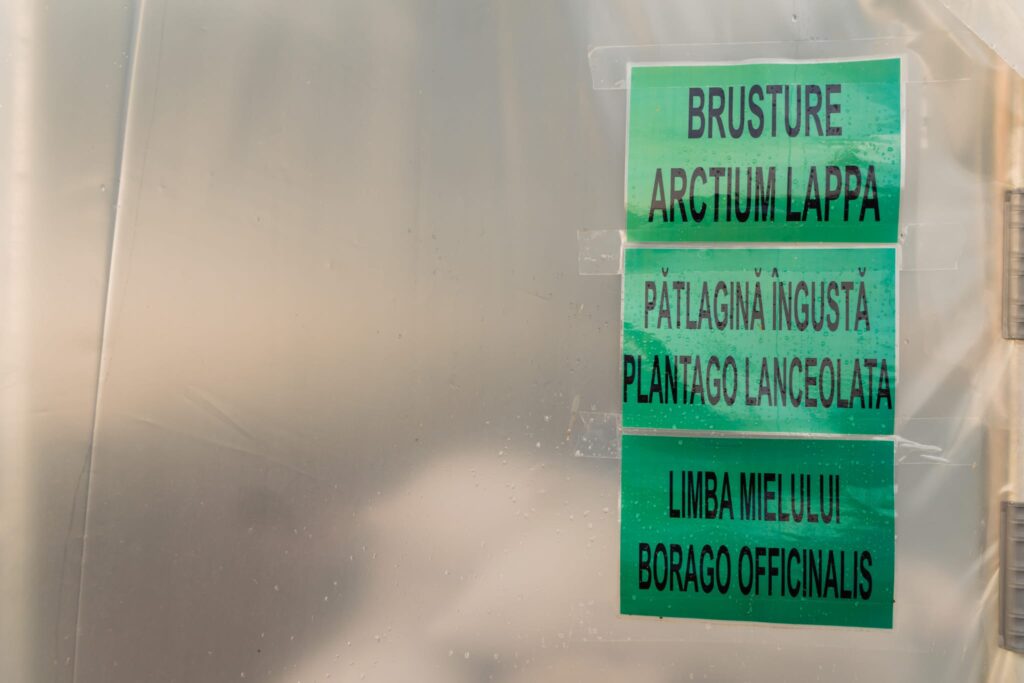
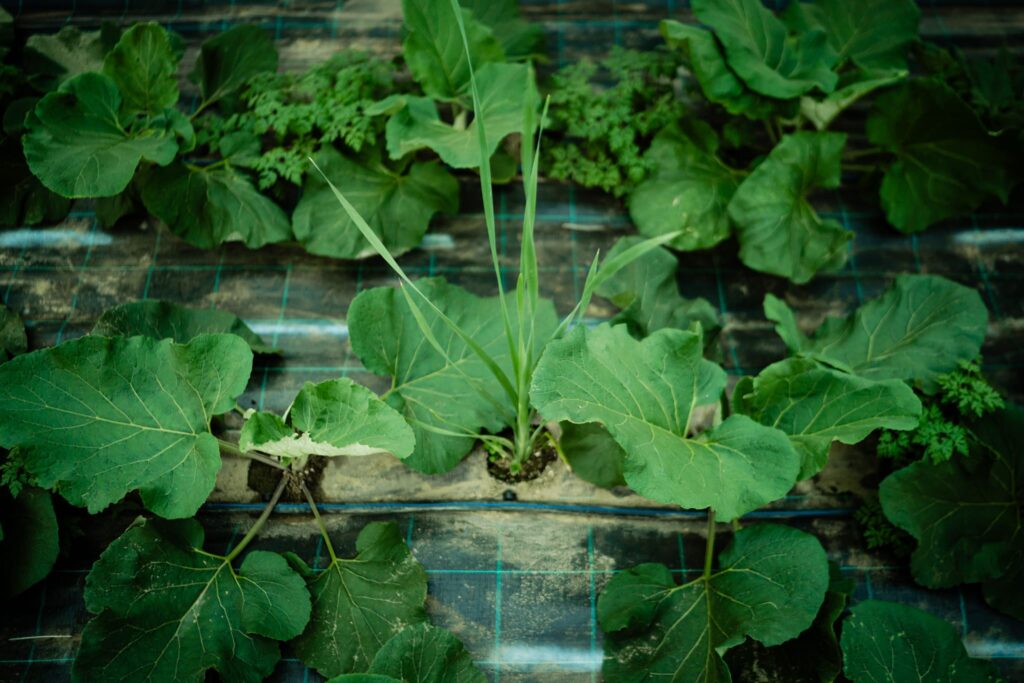
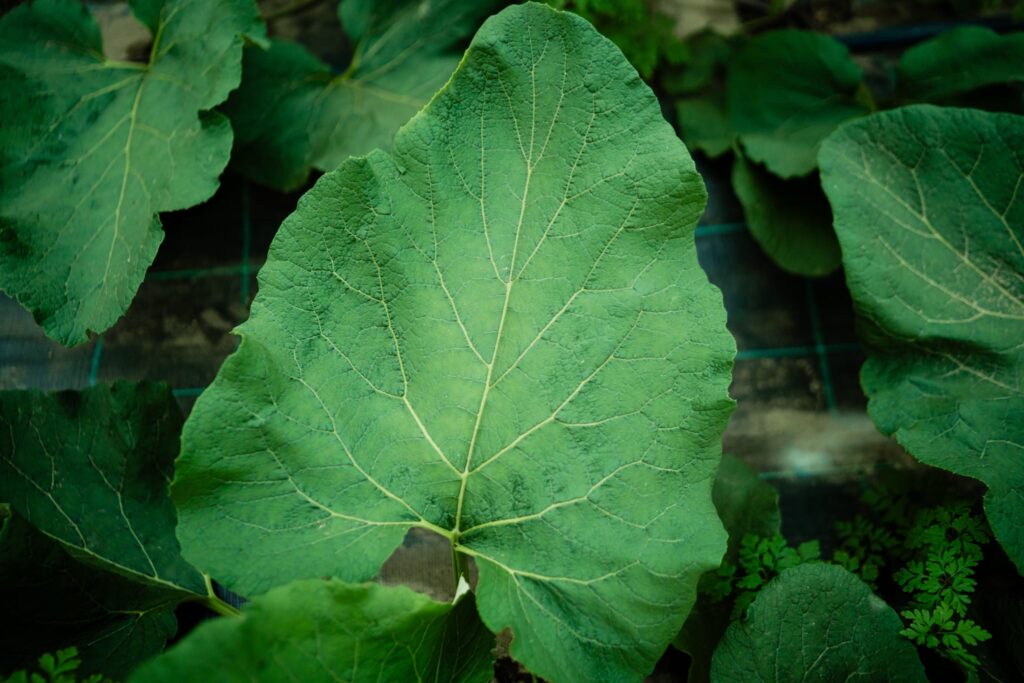
A medicinal plant begins with correct identification.
In dialogue with science
In October 2026 we presented the paper “Acclimatization of Withania somnifera (L.) Dunal in Vâlcea County, Romania” at the International Scientific Symposium “Horticulture, Food and Environment – Priorities and perspectives”, organised by the Faculty of Horticulture of the University of Craiova. The paper was published in the symposium proceedings.
We supported a master’s thesis at “Alexandru Ioan Cuza” University of Iași, an applied study of Turnera diffusa and its confusion with Turnera ulmifolia, and we have hosted students from Craiova.
We work under agreements with the University of Medicine and Pharmacy of Craiova, the University of Life Sciences in Timișoara, ICSI Râmnicu Vâlcea and the Vâlcea County Directorate for Agriculture, and we collaborate with the Faculty of Horticulture of the University of Craiova. Researchers and institutions interested in joint projects are welcome.