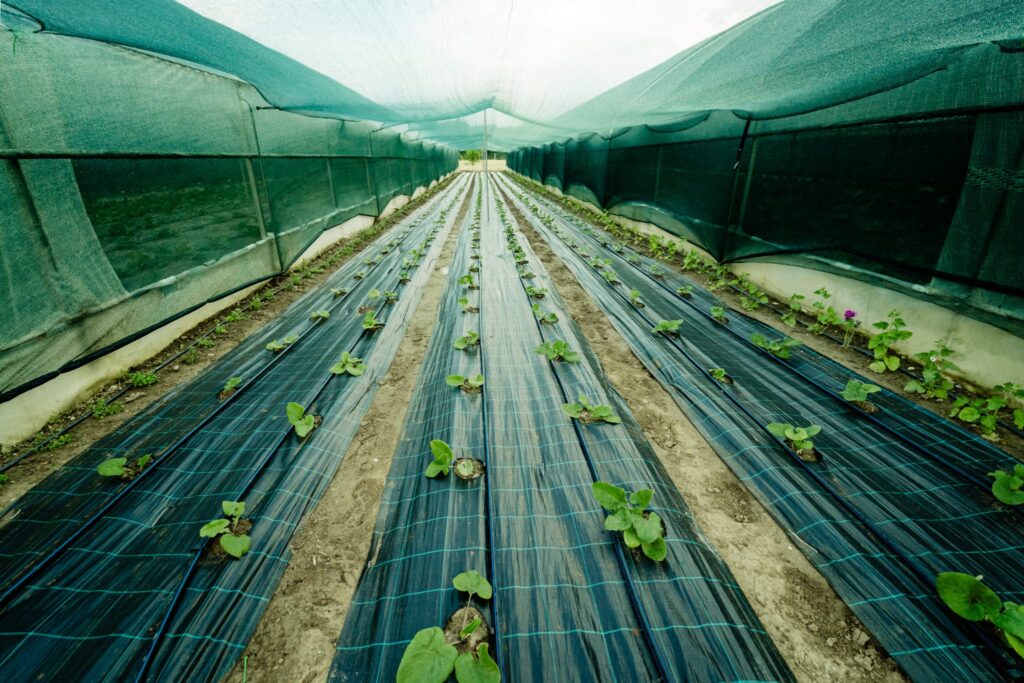
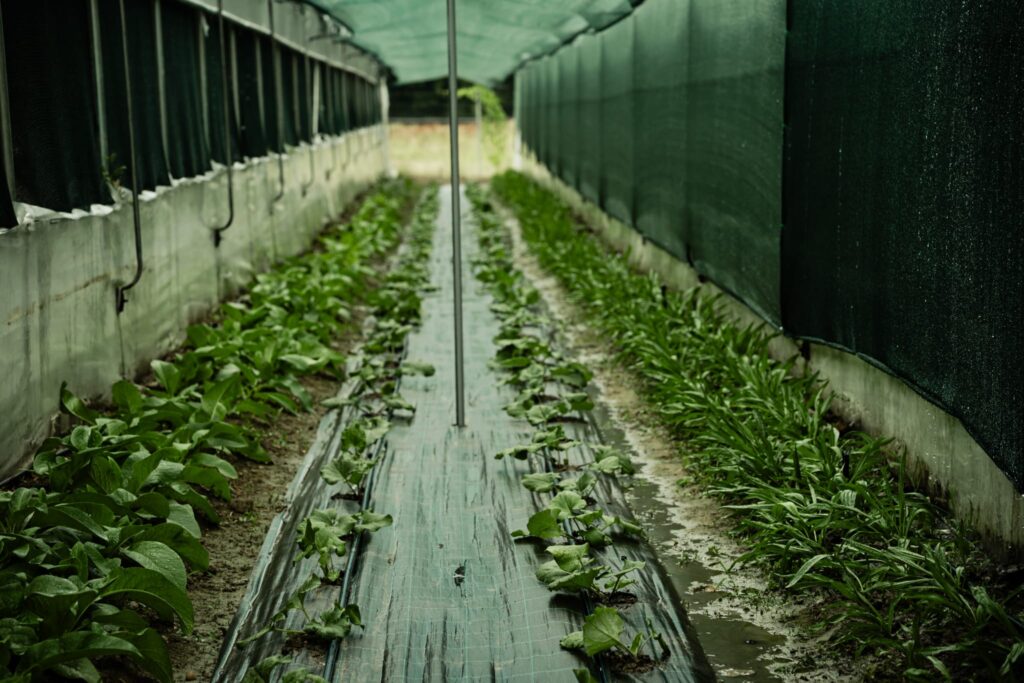
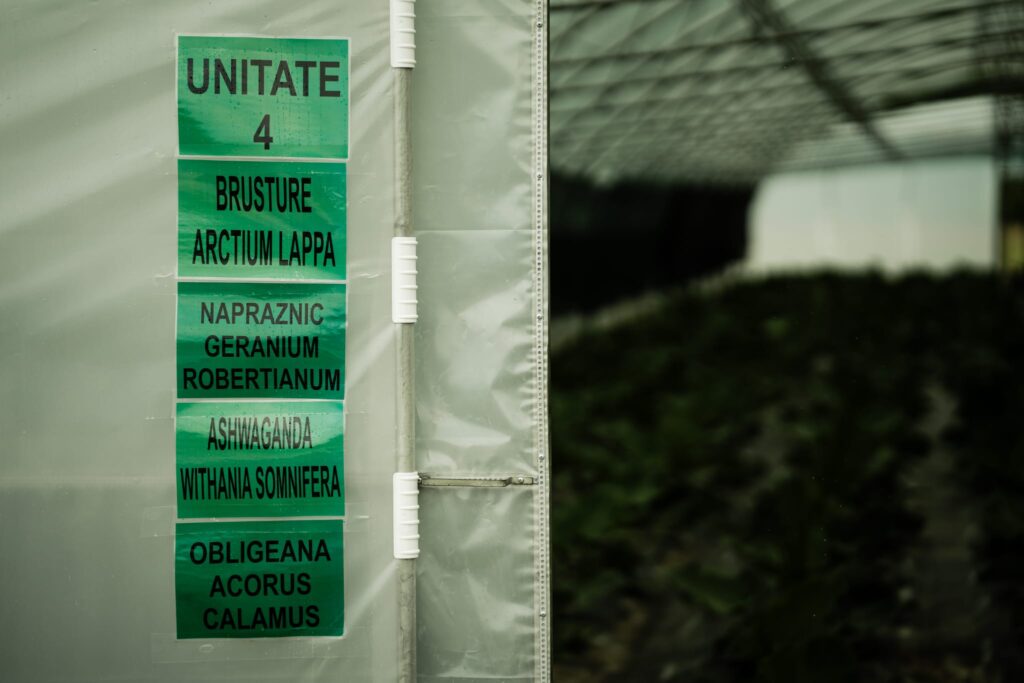
Beica-Mădulari Community Association (Asociația Comunitară Beica-Mădulari) began by encouraging vegetable growing in protected spaces in the mostly agricultural south of Vâlcea County. In 2024 we turned towards medicinal plants — many of them once used in every household and now almost forgotten — and in January 2025 we started a complex project of study, cultivation, acclimatisation and conservation at our base in Iacovile.
What we believe
Our motto says it best: life is not a noun — here, it becomes a verb. We do not try to force plants to grow. We try to build conditions close to their natural ecosystem, so that each species can express its full potential.
Everything we do is, in the end, about conserving natural ecosystems — and about passing knowledge on to the next generation. That is why our greenhouses are always open to pupils, teachers, researchers and local growers.
The Beica Charter
On 3 March 2026, World Wildlife Day was dedicated to medicinal and aromatic plants for the first time. Our event, “The Beica Charter — Conservation and innovation of Carpathian medicinal plants”, held in Mădulari together with the Vâlcea County Directorate for Agriculture, was listed on the official World Wildlife Day 2026 events page.
At our base, in front of representatives of county institutions, biologists, teachers and 25 pupils from Mădulari Secondary School, we signed the Beica Charter (Carta de la Beica) — a declaration of principles for the integrated research of medicinal plants, whose eight principles follow the path of a medicinal plant, from seed to the person who learns about it.
- Wild seed – genetic integrity
- The closed loop – perpetual regeneration of resources
- Prevention through the ecosystem, not treatment
- Pre-stress harvesting – the metabolic optimum
- Honest conservation – the holobiont in a waiting state
- Biocatalysis before extraction
- Multiphase extraction without waste
- Education through free access and dissemination
The principles are linked by one horizontal pillar: the use of artificial intelligence for documentation and traceability. The Charter describes a way of studying, conserving and learning; it makes no medical or pharmaceutical claims. The extractions referred to in principles 6 and 7 are carried out at our base for in-house testing only.
Our journey
- 2013 Beica-Mădulari Community Association is founded.
- Before 2024 Several years promoting vegetable growing in protected spaces for families in southern Vâlcea.
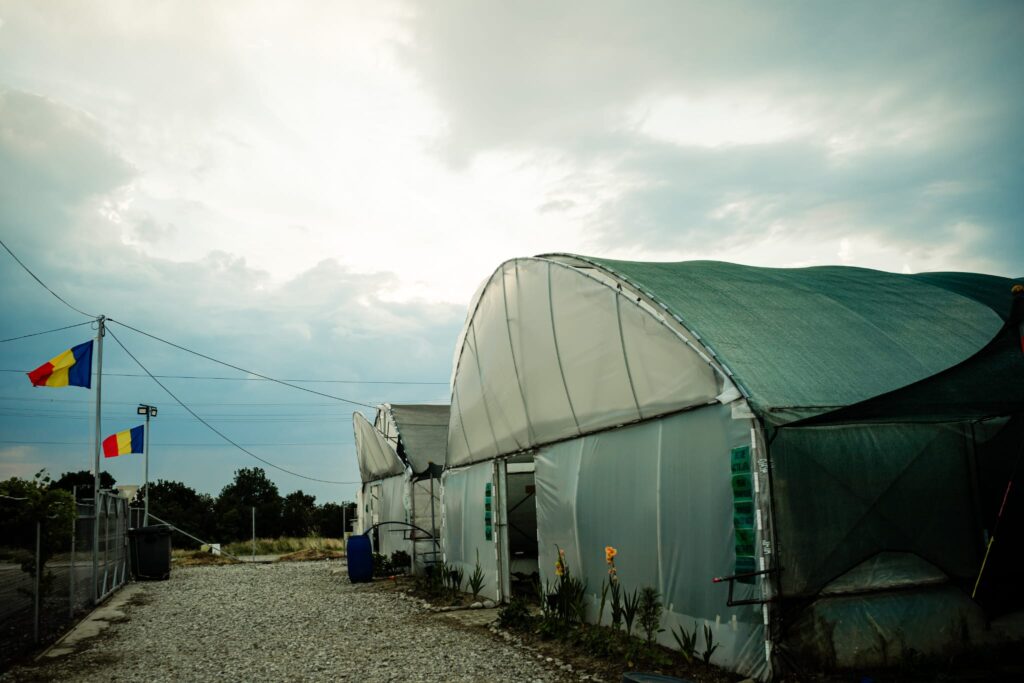
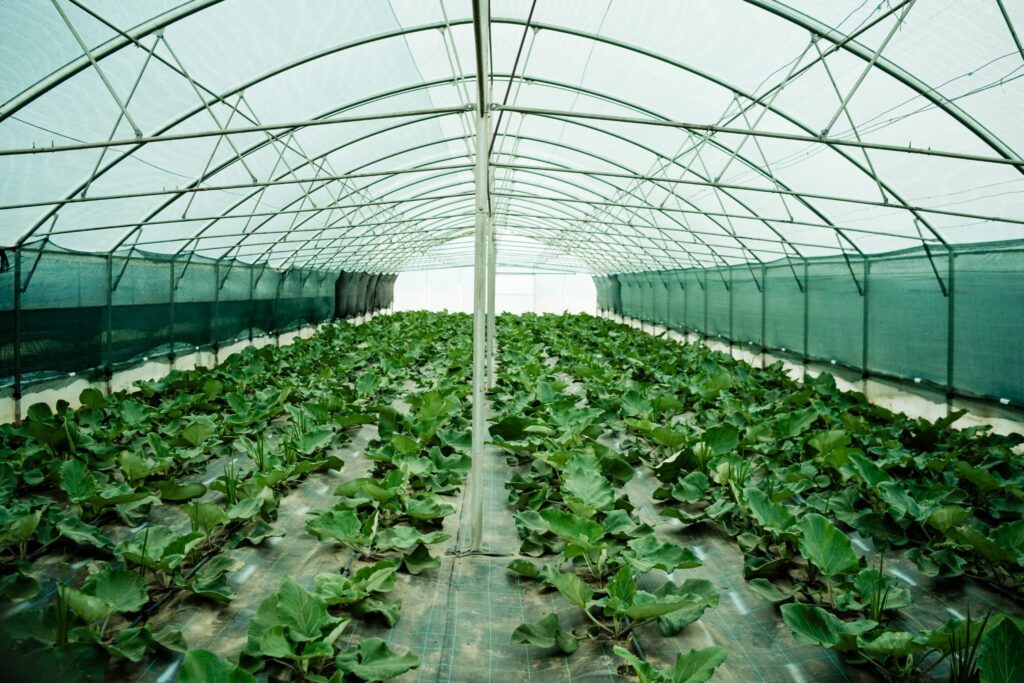
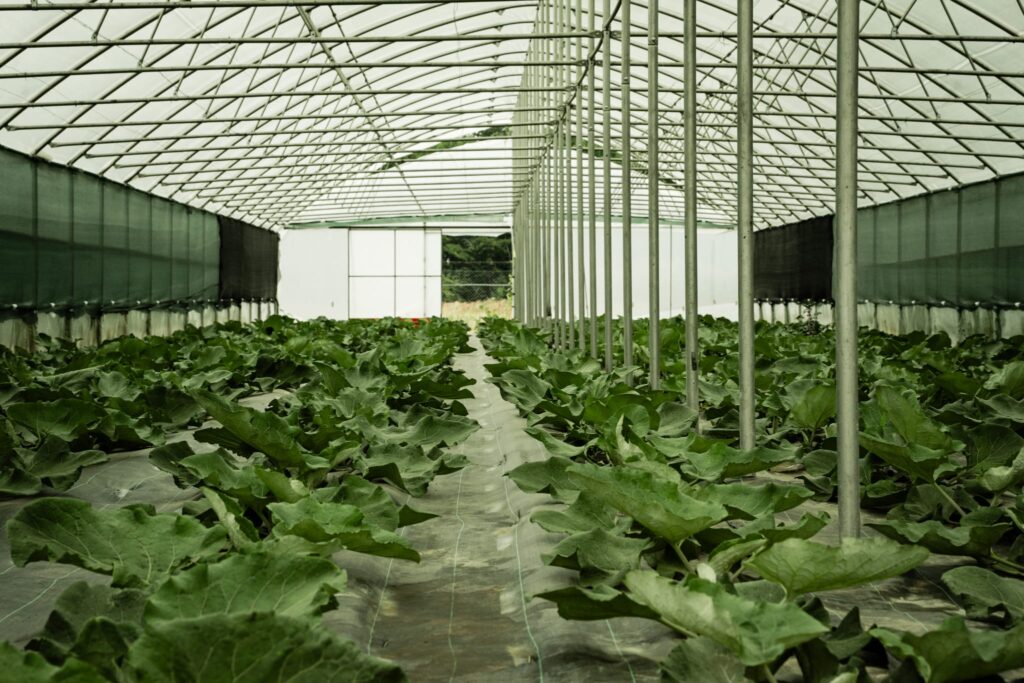
- January 2025 The medicinal plants project starts at our base in Iacovile, on 1,800 m² of protected cultivation and 1,200 m² of semi-protected plots.
- September 2025 National press presents our centre for developing cultivation technologies for native medicinal plants in protected spaces, set up with specialists from the Vâlcea County Agriculture Directorate.
- 3 March 2026 World Wildlife Day at Mădulari: the Beica Charter is signed.
- May 2026 Working visit of Netafim and the Vâlcea County Agriculture Directorate to our centre.
- September 2026 The project “Laboratorul Viu al Vieții” (The Living Laboratory of Life) begins, funded through Fondul Oltenia pentru Comunitate, coordinated by Fundația Comunitară Vâlcea and supported by OMV Petrom.
- October 2026 Six school visits in three weeks, an Erasmus+ visit from four countries and our paper on ashwagandha acclimatisation presented at an international symposium at the University of Craiova and published in its proceedings.
- November 2026 The association receives its Erasmus+ organisation ID (OID E10446535), signs the EU Mission Soil Manifesto, registers on EPALE and SALTO-YOUTH, and its profile is accepted in the civil society database of the UN Department of Economic and Social Affairs. In the same month we sign a cooperation agreement with ICSI Râmnicu Vâlcea; we also have agreements with the University of Medicine and Pharmacy of Craiova and the University of Life Sciences in Timișoara.
- 4 December 2026 World Soil Day in Mădulari, an event listed on the FAO map.
Our base
Our base for the study, cultivation and acclimatisation of medicinal plants is at Str. Iacovile nr. 17A, Mădulari commune, Vâlcea County. Visits for schools and groups can be arranged in advance.
Who we are
Beica-Mădulari Community Association was founded in 2013 and, since 2025, has focused on the applied study of medicinal plants. It works with 35 volunteers and runs on sponsorships, with no government funding.
- Eugenia Ioana Copoeru — President, legal representative
- Elena-Andreea Bîrchi — Vice-president, pharmacist; co-author of the ashwagandha paper
- Iacob Bogdan Vișan — Secretary; contact for international partners (English)
- Vasile-Șerban Vișan — Coordinator of applied study, cultivation and acclimatisation; lead author of the ashwagandha paper
- 35 volunteers — at the base, in workshops and at events
Beica-Mădulari Community Association · Tax ID (CIF) 31619695 · Register of Associations and Foundations no. 15586/A/2014 · Iacovile no. 17A, Mădulari, Vâlcea County