We study how exotic medicinal species adapt to our climate — ashwagandha, Baikal skullcap, damiana (Turnera diffusa) and Turnera ulmifolia — following them season after season, including through winter.
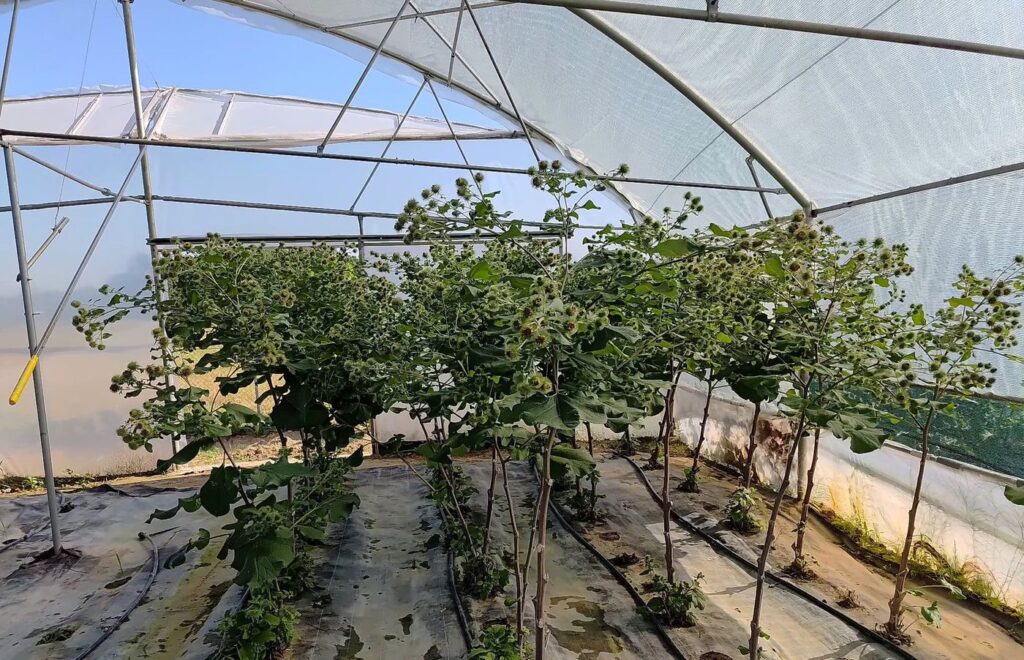
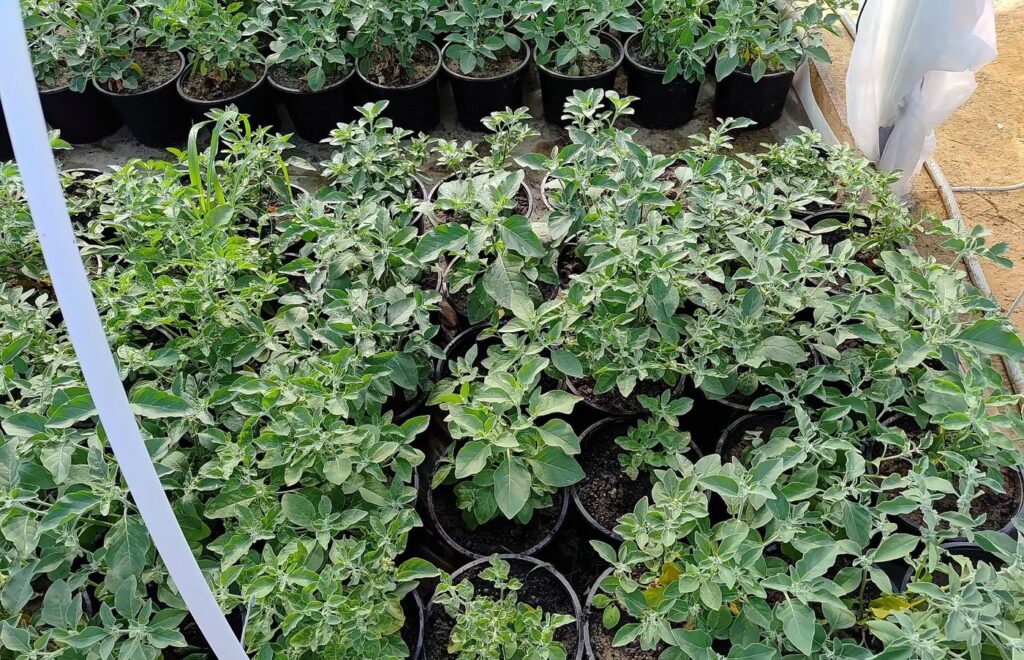
Acclimatisation means patiently helping a species from another climate to grow, flower and survive our winters. We follow every plant closely, season after season, in protected culture at our base in Mădulari.
Species in acclimatisation
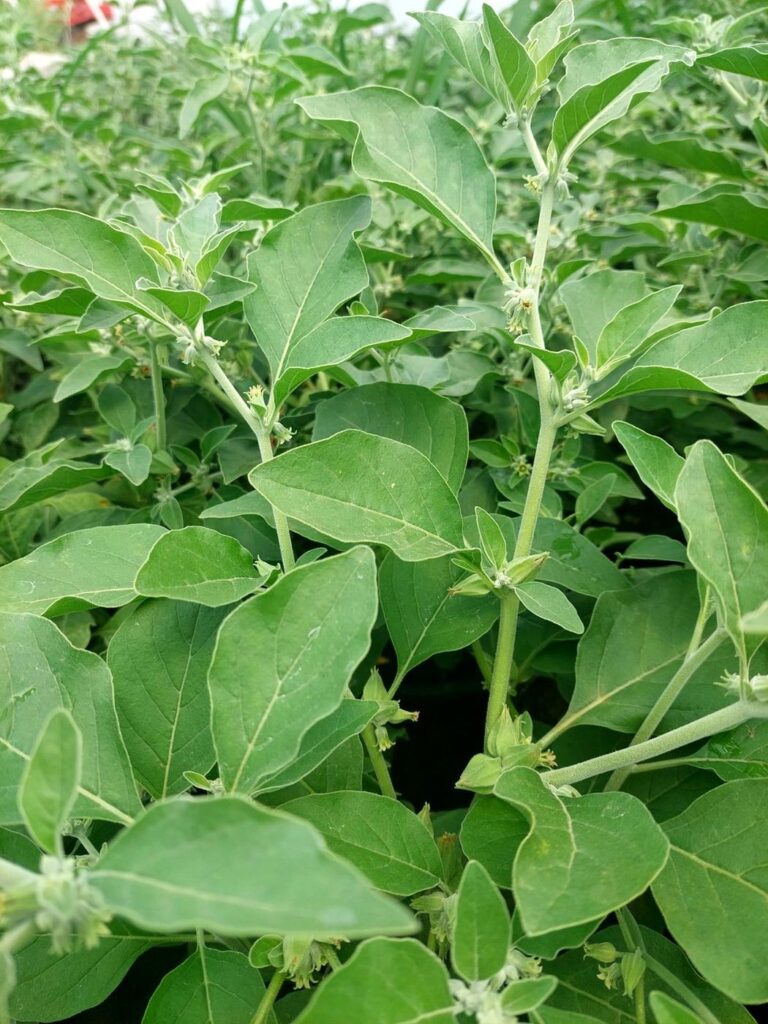
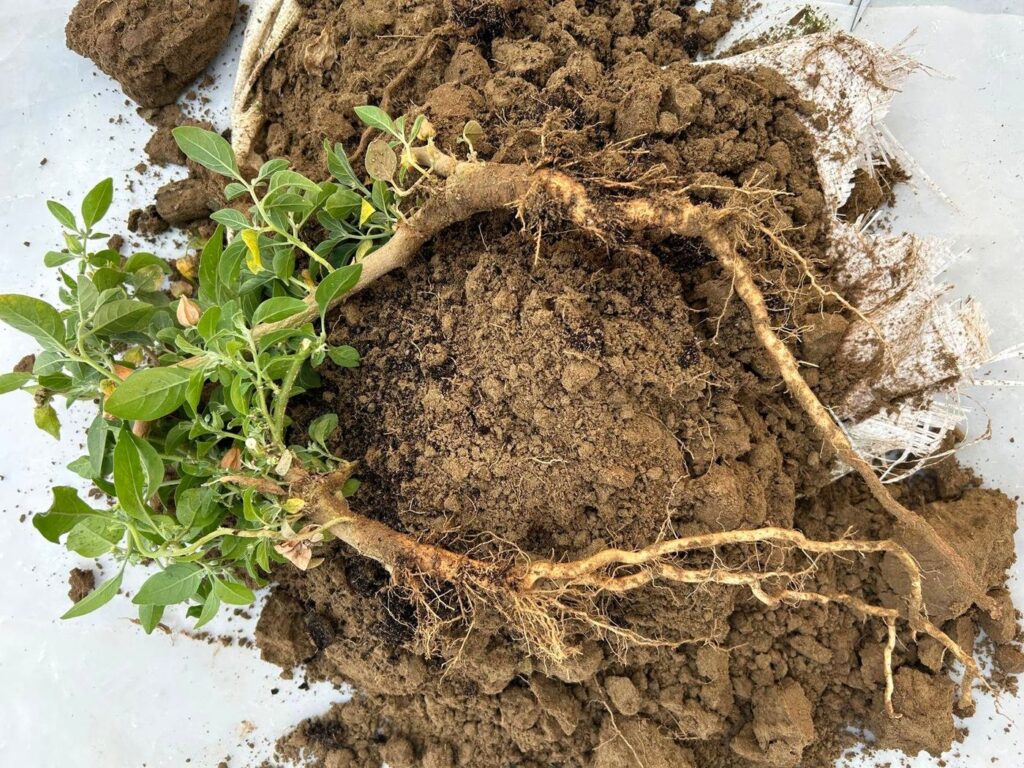
- Ashwagandha — Withania somnifera, also known as Indian ginseng. Followed over two seasons, including overwintering and regrowth; we now harvest fresh roots from plants in their second season.
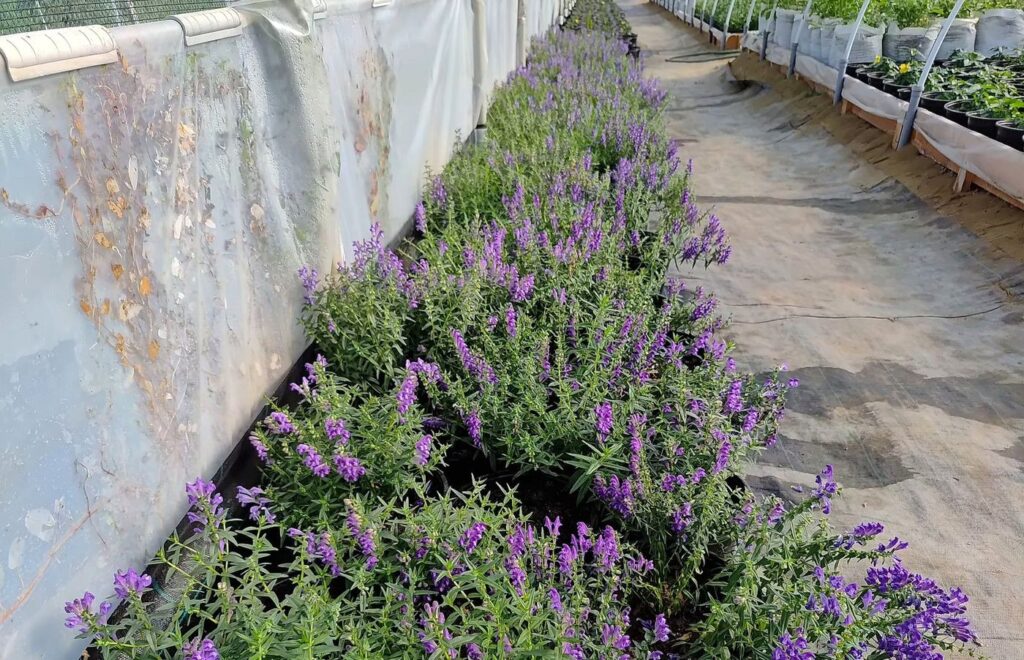
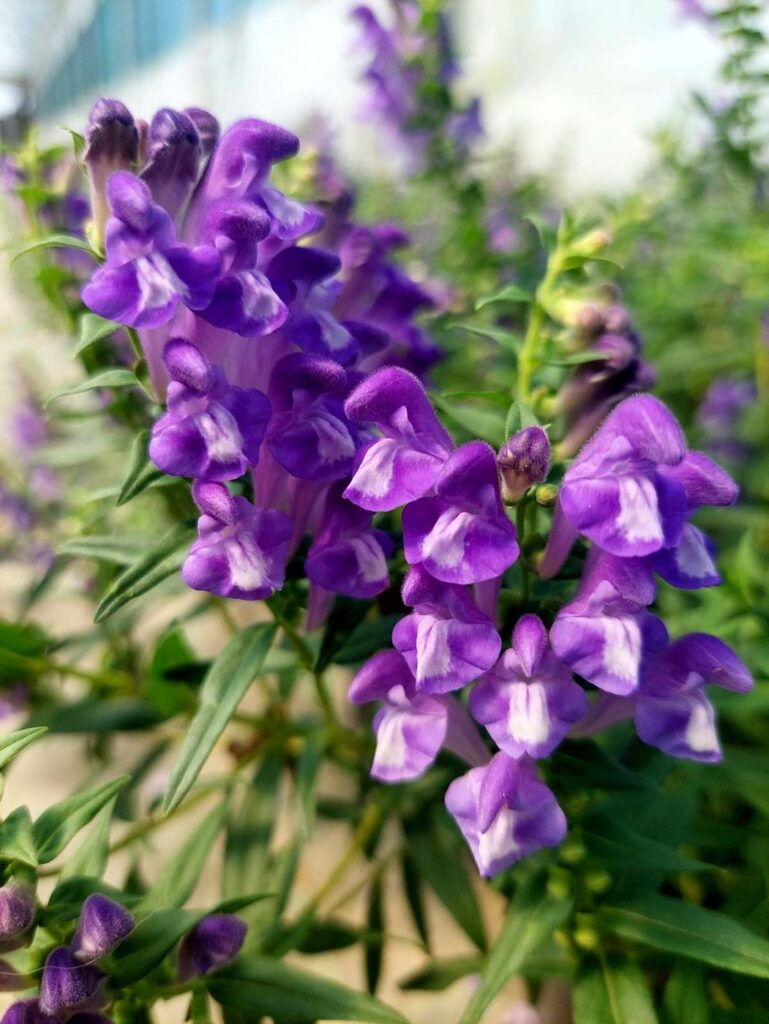
- Baikal skullcap — Scutellaria baicalensis.
- Damiana — Turnera diffusa, native to Central America, demanding and propagated mainly by cuttings.
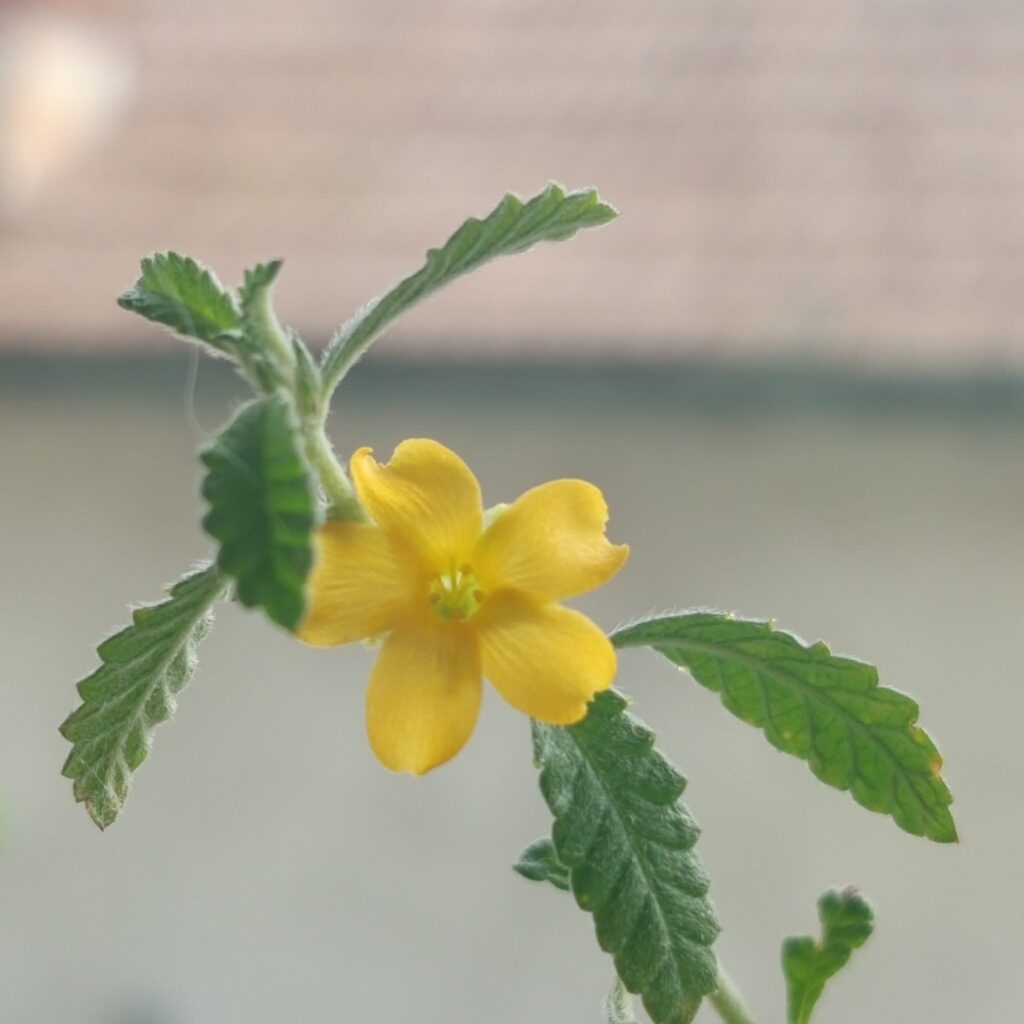
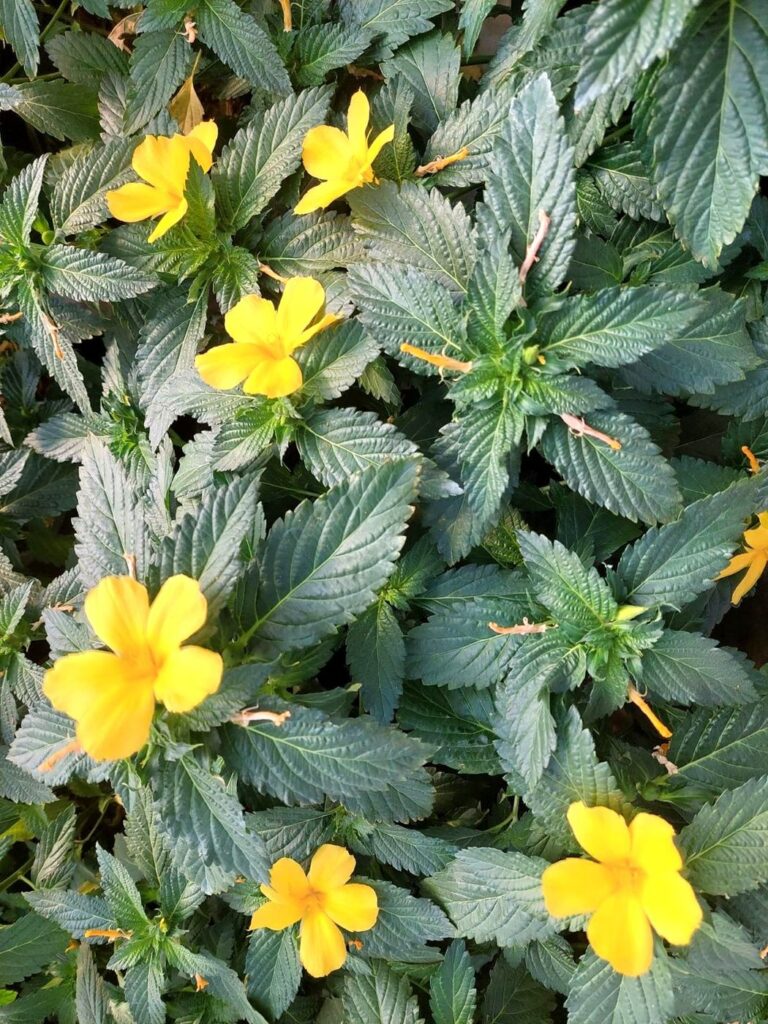
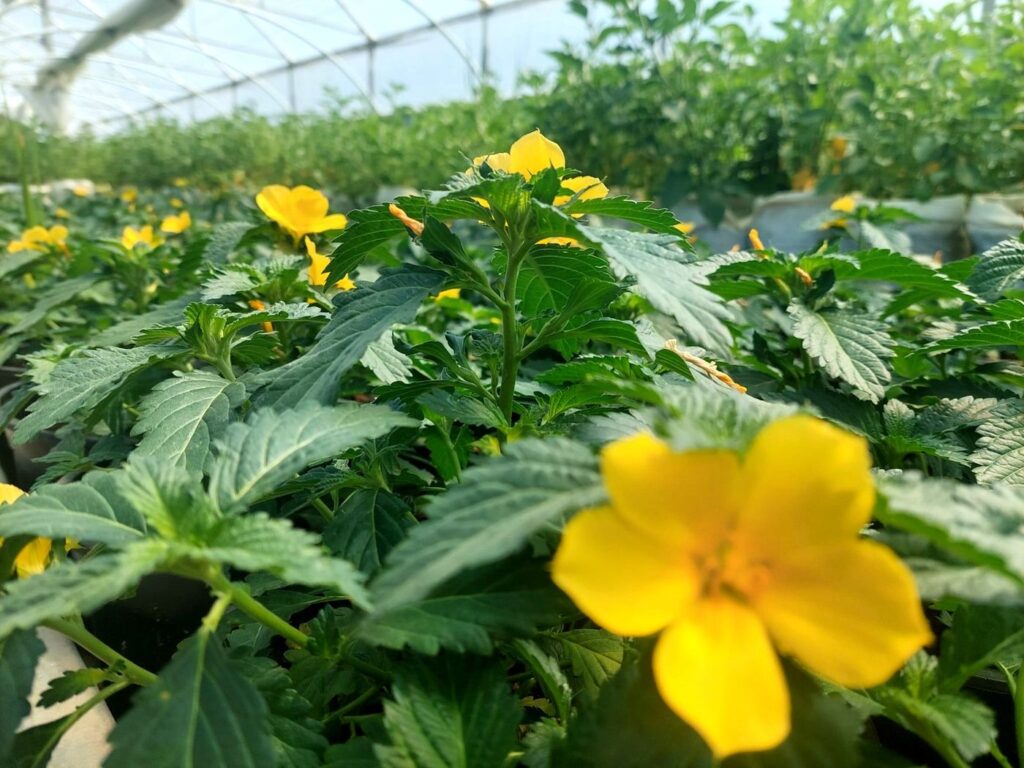
- Turnera ulmifolia — a different species from damiana, with which it is often confused in trade. Vigorous and easy to germinate, with large yellow flowers.
Results we share
Our study on the acclimatisation of Withania somnifera in Vâlcea County, presented in October 2026 at the University of Craiova, follows the growth and acclimatisation of this exotic species over two seasons in protected culture — including overwintering and regrowth. The paper was published in the symposium proceedings. Of 100 plants overwintered at a minimum of +2 °C, 80 survived; at −2 °C, 50. Seed we produced in 2026 germinated at a rate of 60 in 100.
We grow these species under the same conditions as our native plants and keep our own records on germination, propagation and development, so that every recommendation we make is grounded in what we have actually observed.